Shallow Hand Pump Water Well for Bangladesh
Hand Pump Shallow Tube Wells for marginalized families in Bangladesh provide an affordable and efficient way to access groundwater in rural communities. These traditional wells are hand-operated and constructed to deliver consistent water access for daily use.
Goal

To ensure reliable and clean water access for marginalized families in water-scarce rural areas of Bangladesh.
Need Assessment

Bangladesh faces critical water scarcity, especially in rural areas. Groundwater contamination, lack of infrastructure, and overpopulation contribute to a dire need for small-scale water solutions.

Heavy Duty Hand Pump Water Well For Togo
This hand-pumped shallow tube well will serve 25 people daily across 5 households in rural Bangladesh
$368USD

Shallow Hand Pump Water Well For India
This hand-pumped shallow tube well in India will deliver clean water to 25 people daily across 5 households in
$368USD

Shallow Hand Pump Water Well for Pakistan
This hand-pumped shallow tube well in rural Pakistan brings clean water to 25 people daily across 5 households,
$368USD

Hand Pump Water Well for Togo
This hand-pumped water well will serve up to 100 people daily in rural South Togo. Built at a 40m depth with
$735USD
Heavy Duty Hand Pump Water Well For Togo
This hand-pumped shallow tube well will serve 25 people daily across 5 households in rural Bangladesh
$1,300USD
Heavy Duty Hand Pump Water Well For Uganda
This hand-pumped shallow tube well in India will deliver clean water to 25 people daily across 5 households in
$3,675USD
Build and Repair Water Wells
This hand-pumped shallow tube well in rural Pakistan brings clean water to 25 people daily across 5 households,
Any Amount
Imagine a life without water—no clean drinking water, no way to cook, bathe, or grow food. For too many communities, this is their daily reality. But you can change that.
When you build a water well with Salam Aid, you’re giving families access to safe, clean water. Your donation doesn’t just quench thirst—it enables cooking, bathing, cleaning, and watering crops. It transforms lives, empowering communities to flourish while leaving an everlasting legacy of hope.
This is more than a donation—it’s an ultimate Sadaqah Jariyah, a continuous charity that brings blessings long after you’re gone. Whether you dedicate it in your name or for a loved one, every drop of water is a reward waiting for you in the Akhirah. Last year alone, our water well program touched 459,350 lives. Together, we can reach even more.
Donate NOW
Build a water well:
Building a well is easy with
Salam Aid Project
Be the reason an entire village thrives.
Ali Banat’s first act of charity was a water well in Togo, a legacy of compassion that continues to earn him rewards to this day. Now it’s your turn to carry the torch.
Give water. Transform lives. Build your Akhirah.
Act now. Donate today.
Build a water well in your name or someone elses name
“What if I can’t?”
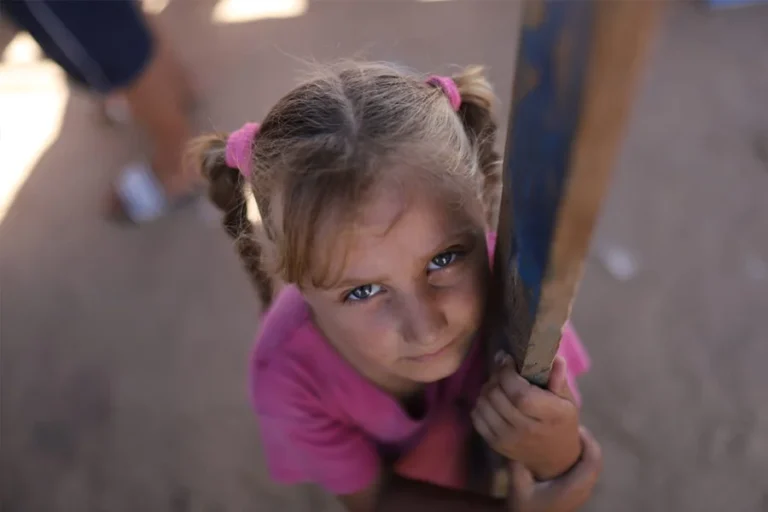
We don’t just offer full project solutions for our Water Wells. We allow for contributions to our general Water Aid program which contribute to provide safe and clean drinking water in emergencies, conflict and natural disaster zones. . Any amount that you contribute to our Water Aid program will also go towards building bigger water infrastructures such as rainwater harvesting projects.
Every amount, no matter how big or small goes a long way – especially in the eyes of Allah.


Build a Well: Donation FAQs
What is Sadaqah Jariyah?
Sadaqah Jariyah is a concept in Islamic philanthropy and charity. It refers to a continuous or ongoing charity that has a lasting impact and continues to benefit people or the community over time. Unlike regular forms of charity that provide immediate relief, Sadaqah Jariyah refers to a charity that keeps giving even after the donor dies. Unlike regular charity (Sadaqah), which offers immediate benefits, Sadaqah Jariyah provides ongoing rewards as long as people continue to benefit from it. Examples include building a water well, constructing a masjid, planting a tree, or providing educational materials. Each time someone drinks from the well prays in the masjid, benefits from the shade of the tree, or learns from the provided materials, the donor receives blessings (Sawab) in their lifetime and even after their death. This is why Sadaqah Jariyah is considered one of the most rewarding acts in Islam, offering endless opportunities for reward and benefit in both this world and the hereafter.
What is the best Sadaqah Jariyah?
Providing Clean Water: Donating to build or maintain wells, water pumps, or water purification systems that provide clean and accessible water to communities in need is one of the most enriching forms of Sadaqah Jariyah. Water is a basic necessity for life, and by providing clean and accessible water, you are not only quenching thirst but also preventing waterborne diseases, supporting daily hygiene, and improving the overall health and well-being of entire communities. Each time someone drinks from the well or uses the water for their daily needs, the donor continues to receive blessings (Sawab) from Allah (SWT). This act of charity benefits people for years to come, making it one of the most impactful and long-lasting forms of ongoing charity.
Will I receive any reports for my donation?
If you choose to donate toward the construction of an entire water well, you can expect to receive a comprehensive report upon the completion of the well. Moreover, we will provide you with progress reports at various stages of the construction process. These reports will include details such as the location of the water well, photos of the construction process, and testimonies from the beneficiaries who directly benefit from your generous donation. This way, you can see firsthand the impact of your contribution and how it is transforming lives by providing access to clean, safe drinking water. We believe in transparency and keeping our donors informed, ensuring you know exactly how your donation is making a difference.
How long will my project take to build?
We kindly ask for your understanding that all our construction projects are granted a full year for completion. This extended timeframe allows us to meticulously progress through multiple essential stages before commencing construction. These stages include conducting a thorough needs assessment, which helps us identify crucial factors such as the location, size, and conditions of the community, as well as any challenges we may encounter, especially in remote forested areas.
Why do water projects cost different amounts?
The cost of constructing water wells can vary significantly based on several factors. One major determinant is the depth required to access water. In regions where the water is relatively shallow, typically up to around 30 meters, the installation tends to be less expensive. Moreover, soft ground conditions that do not necessitate heavy drilling equipment contribute to lower costs. Conversely, areas with rocky terrain or greater depth requirements to access water will incur higher expenses. Unfortunately, remote areas, despite having the greatest need for water, often face neglect due to the elevated costs associated with installing a water well in these locations.
Can I name the Water Well I’ve donated to build?
We extend an invitation to donors to designate a name for their project contribution. Many donors opt to honor a lost loved one, themselves, or a family member with this naming privilege. Additionally, some donors may prefer to keep their charitable acts anonymous. The plaque provided upon project completion can bear either a name or a prayer, but it will consistently feature the Donation ID that you receive upon making your generous contribution.
Can I donate water to international communities?
Yes, it is possible to donate water to international communities. Salam Aid operates worldwide to implement water projects in various countries facing water scarcity. Donate now
What should I donate towards if I cannot choose?
Payment methods and protections


100% Secure Checkout
100% Donation Policy
We Protect Your Privacy